Skip to content
Industrial Roller Mill: High-Efficiency Grain Crushing Systems (150-1500 T/D)
Energy Saving: 30-50% lower electricity cost vs. Hammer Mills. Precision Control: CV ≤ 5% with uniform particle size (1/4 – 1/8 cracked corn).Low Fines: Less than 8% dust, perfect for Layer Feed
the products Gamma Offer you
At Wuxi Gamma, our GM Series Roller Mills are engineered for high-performance industrial applications. Whether you are producing coarse-cracked corn for layer feed or preparing soybeans for oil extraction, our CNC-machined systems deliver the exact particle size needed to maximize your ROI.

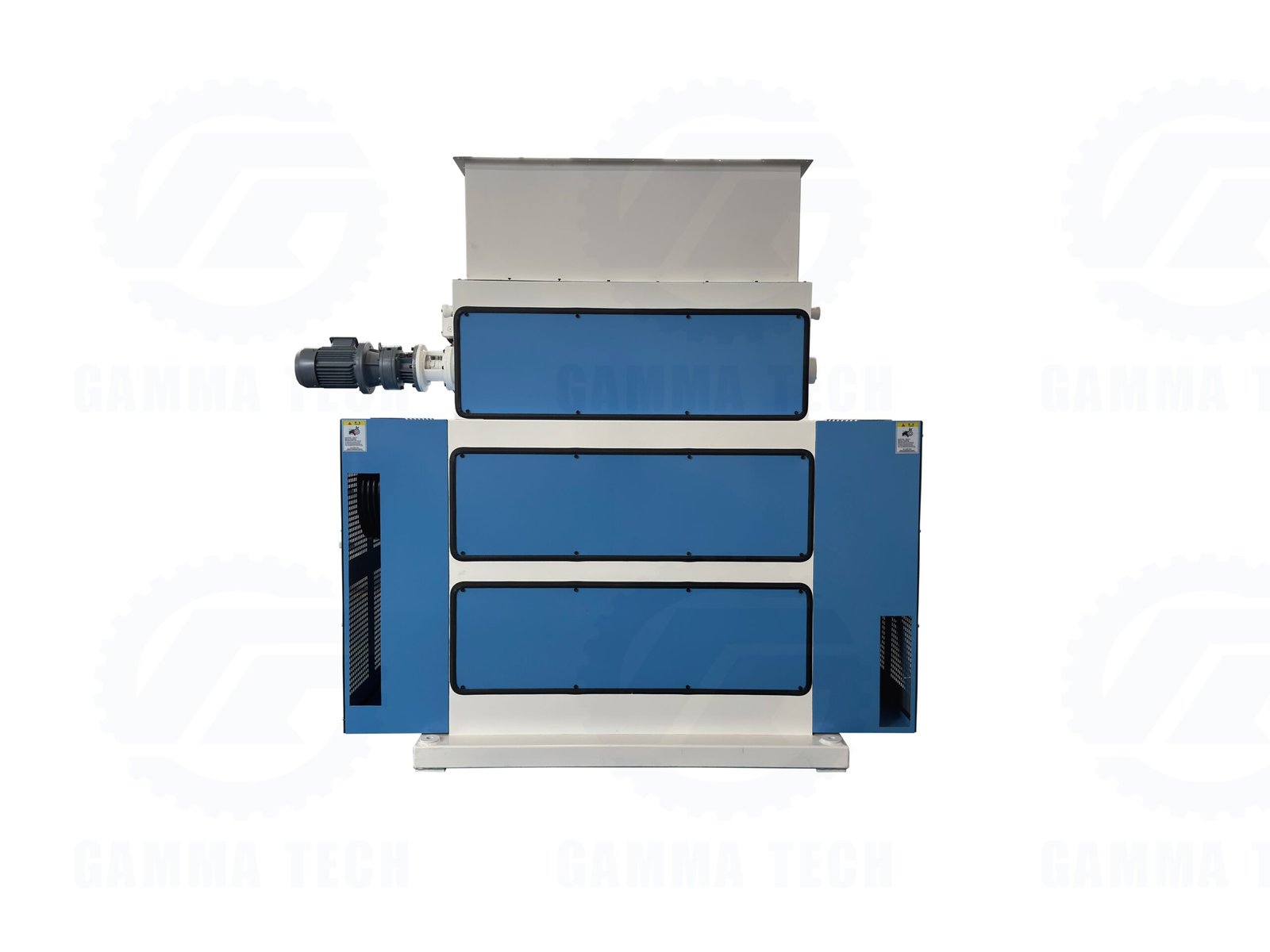
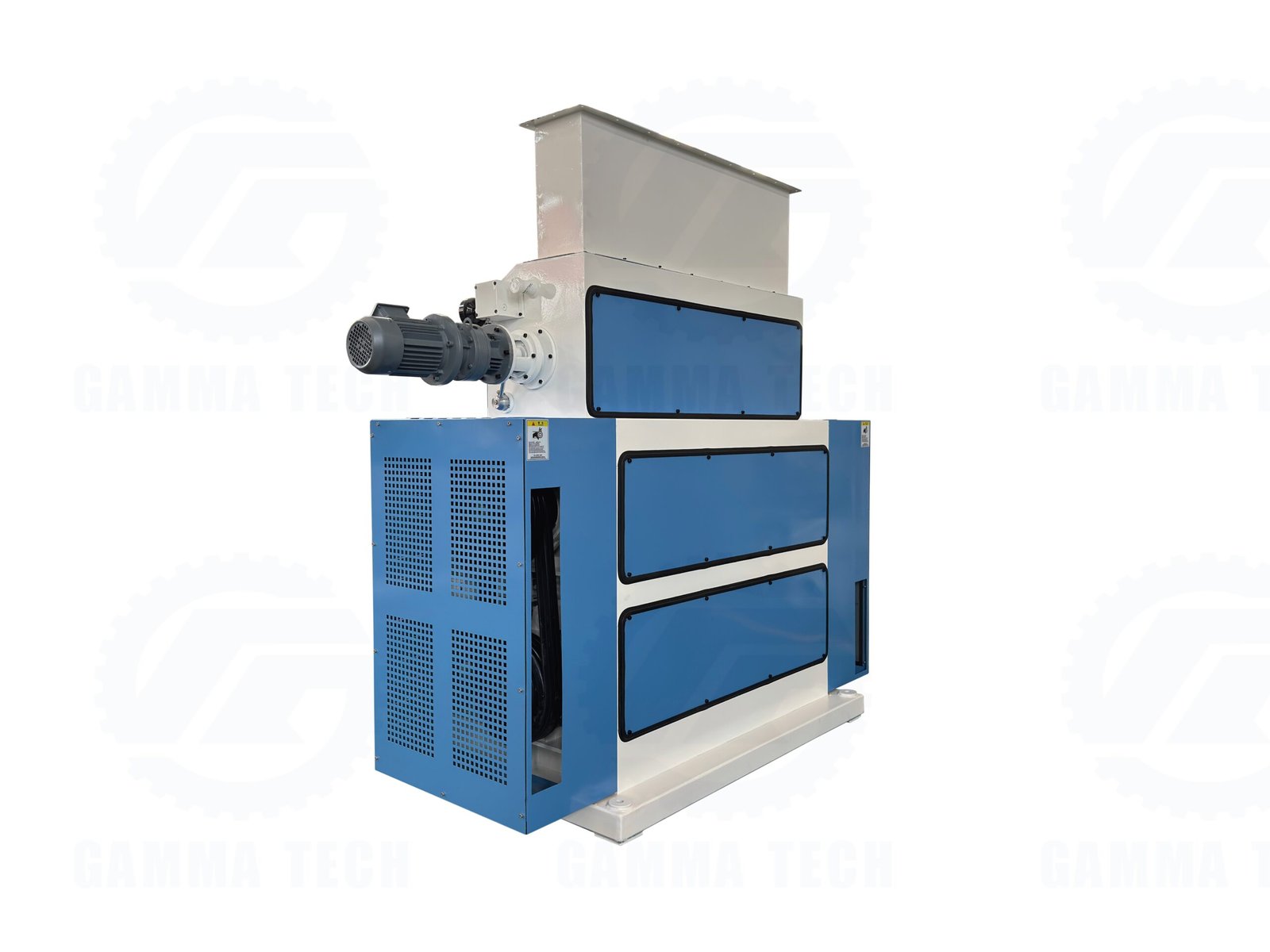
Corn Roller Mill
Why Precision Matters for Poultry: Layer hens require a specific granular texture (1/4 to 1/8 kernel size) to stimulate gizzard development. Our roller mills replace outdated hammer mills to provide:
Uniform Granularity: Achieve CV ≤ 5% with minimal fine dust (<8%), reducing feed waste and respiratory issues.
Nutrient Preservation: Low-temperature shearing prevents heat build-up, keeping vitamins and proteins intact.
Energy Efficiency: Save 30-50% on electricity compared to traditional grinding

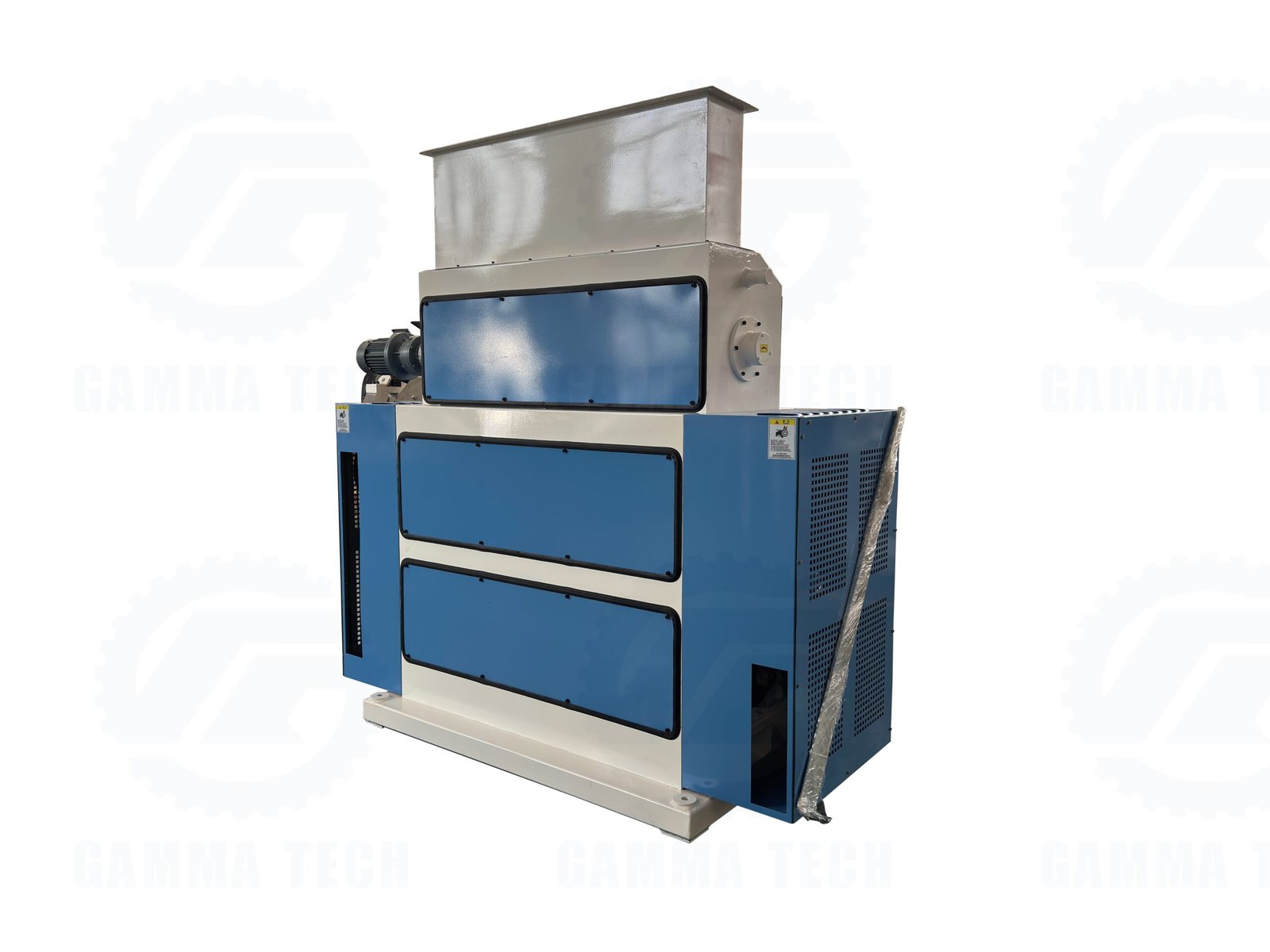
Soya Roller Mill
Scaling Your 150-1500 T/D Production: For large-scale soybean crushing plants in Egypt and Saudi Arabia, throughput and reliability are non-negotiable. Our industrial roller mills feature:
Massive Throughput: Specifically designed to handle up to 1500 Tons Per Day for continuous soybean flaking or cracking.
Heavy-Duty Durability: Centrifugal casting alloy rollers (HRC 55-62) resist the abrasive nature of oily seeds.
Automation Ready: Synchronized gap adjustment ensures 100% of the beans are cracked to the precise thickness for optimal oil yield.
Parameter Table
| Model | Capacity(T/d) | Toothed Roll Specifications(mm) | Power Equipped(KW) | Feed Roller Motor Power(KW) | Particle Size | Weight(T) | Size(mm) |
|---|---|---|---|---|---|---|---|
| GM4210 | 1500 | 400×2100 | 90×1 | 1.1 | 1/4-1/8 | 10 | 3400×1500×2150 |
| GM305183 | 1000 | 305×1830 | 75×1 | 1.1 | 1/4-1/8 | 9 | 2900×1100×2000 |
| GM4150 | 400-500 | 400×1500 | 22×2 | 0.55 | 1/4-1/8 | 7.5 | 2680×1250×1950 |
| GM4125 | 350-400 | 400×1250 | 18.5×2 | 0.55 | 1/4-1/8 | 6.5 | 2300×1250×1950 |
| GM4100 | 300-350 | 400×1000 | 15×2 | 0.55 | 1/4-1/8 | 5 | 2000×1250×1800 |
| GM3125 | 250-300 | 300×1250 | 18×2 | 0.55 | 1/4-1/8 | 3.8 | 2200×1100×1800 |
| GM3100 | 200-250 | 300×1000 | 15×2 | 0.55 | 1/4-1/8 | 3.4 | 1900×1100×1800 |
| GM25125 | 180-250 | 250×1250 | 15×2 | 0.55 | 1/4-1/8 | 3.5 | 2200×920×1700 |
| GM25100 | 150-200 | 250×1000 | 11×2 | 0.55 | 1/4-1/8 | 3 | 1900×920×1700 |
| GM2580 | 80-100 | 250×800 | 11×2 | 0.55 | 1/4-1/8 | 2.2 | 1700×920×1700 |
Perfect Corn Cracking (CV≤5%) for Layer Feed: Maximize Digestion & Minimize Waste
Stop turning your corn into dust. For egg-laying hens, particle size is profit. Watch how Wuxi Gamma’s GM Series Roller Mill utilizes differential shearing to create uniform 1/4 or 1/8 kernel crumbles. Achieving a Coefficient of Variation (CV) ≤ 5% with less than 8% fines, this system ensures every bird gets the right texture for optimal gizzard development, leading to better nutrient absorption and higher egg yield. Engineered for 10-30TPH lines in Saudi Arabia & Colombia.
Let us talk about your demand of Roller Mill
pls provide us your raw material type ,along with capacity information and particle size you required ,so we can choose the suitable roller mill model for you . with this information we can give you offer very quickly ,act now !
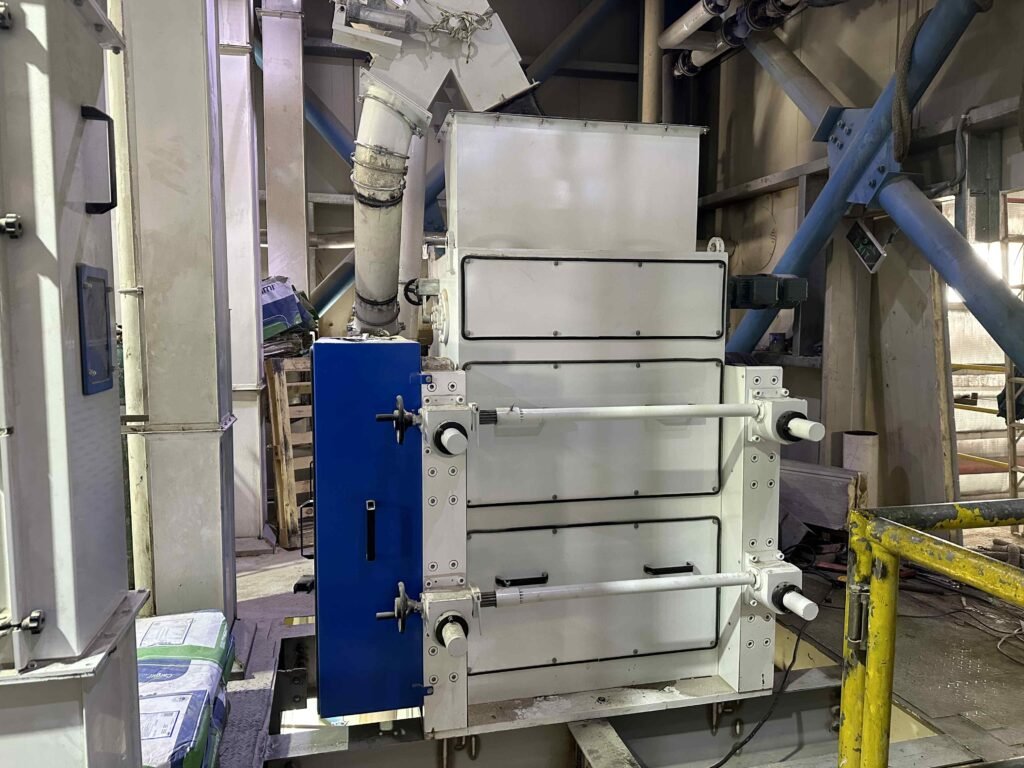
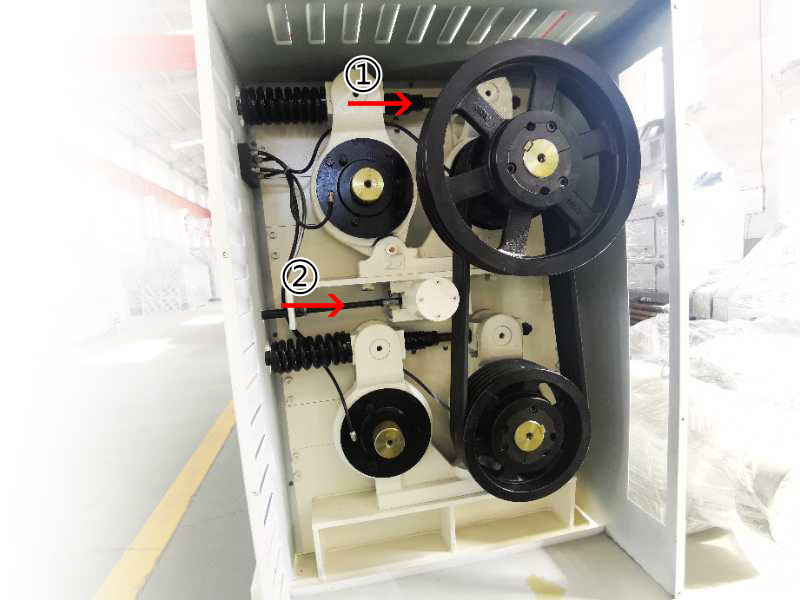
Structure Details
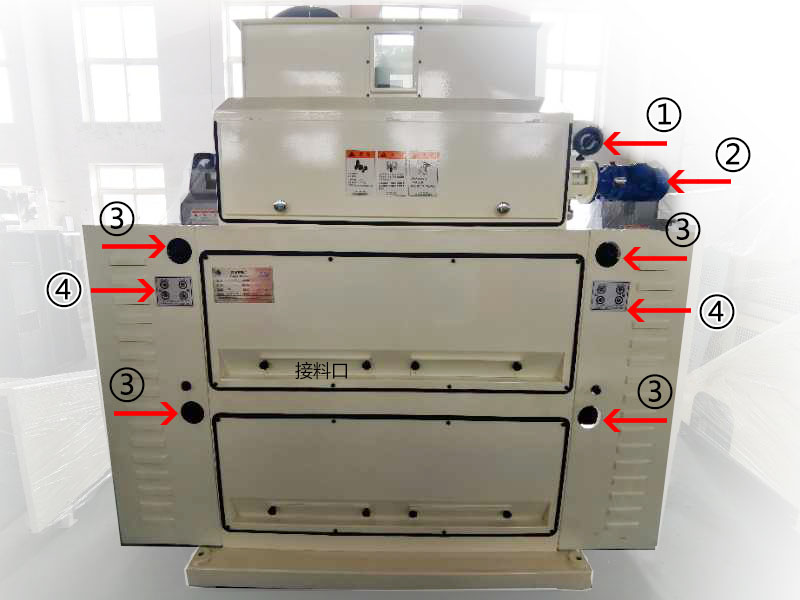
① Material door adjustment hand wheel
② Feeding motor
③ Gear roller adjustment nut
④ Bearing oil filling point (high temperature grease, oil filling once a week)
① Screw lifter
② Gravity indicator handwheel
③ Synchronizer
④ Fastening screw

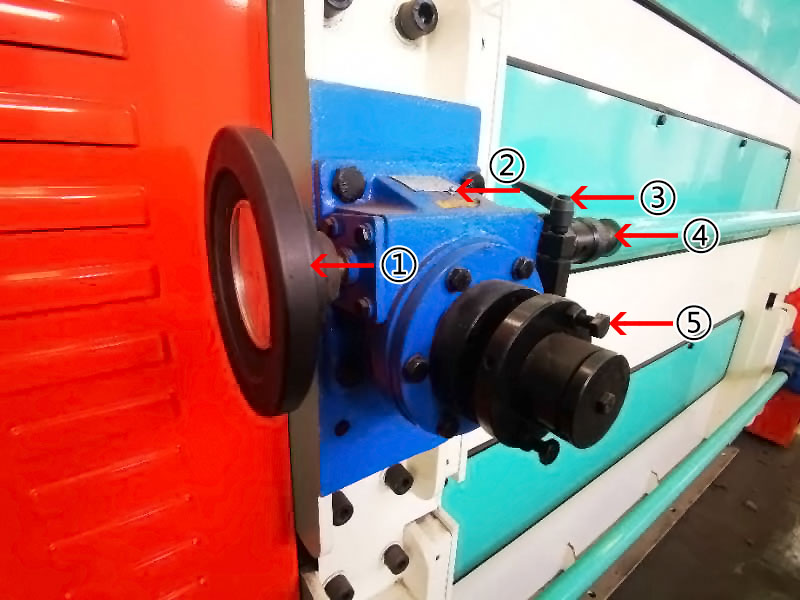
① Gravity indicator handwheel
② Lifter oil filling hole
③ Adjustable handle
④ Synchronizer fastening nut
⑤ Fastening screw
Finished Product show
our roller mill can make adjustment of roller gap to handle different particle size of finished product,the main material we handle is corn and soya,many layer chicken feed producer and soya oil factory they use a lot ,below are some photos of crushied corn
Product Photo 1
Product Photo 2
Product Photo 3
Roller Mill Manufacturing
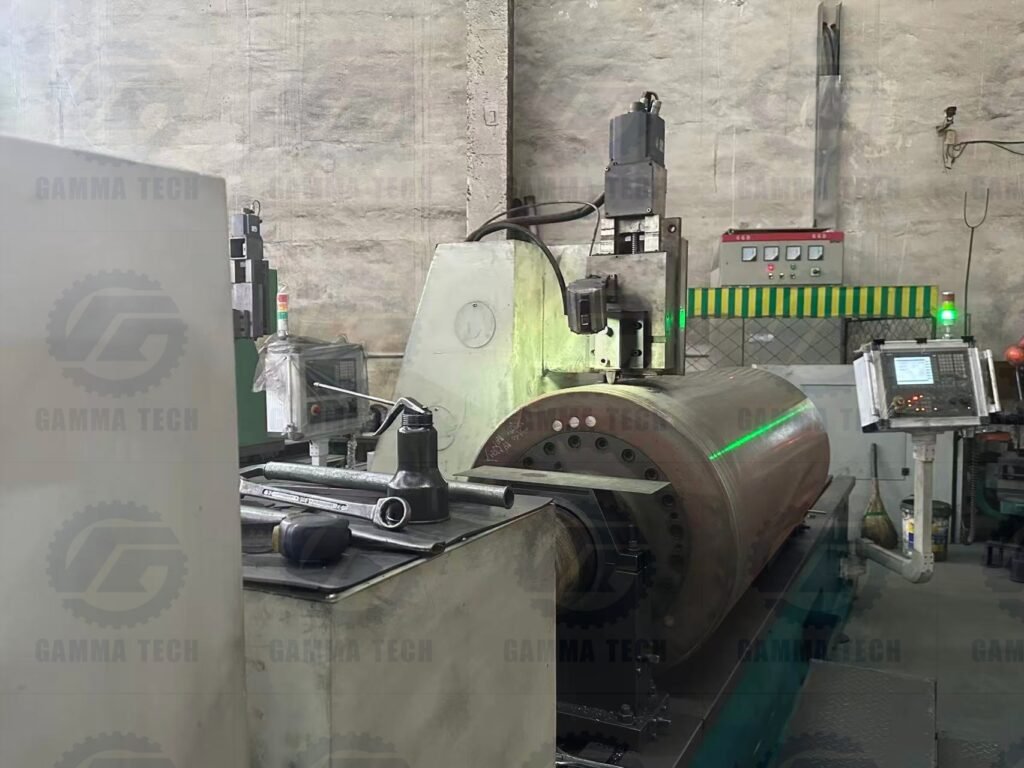
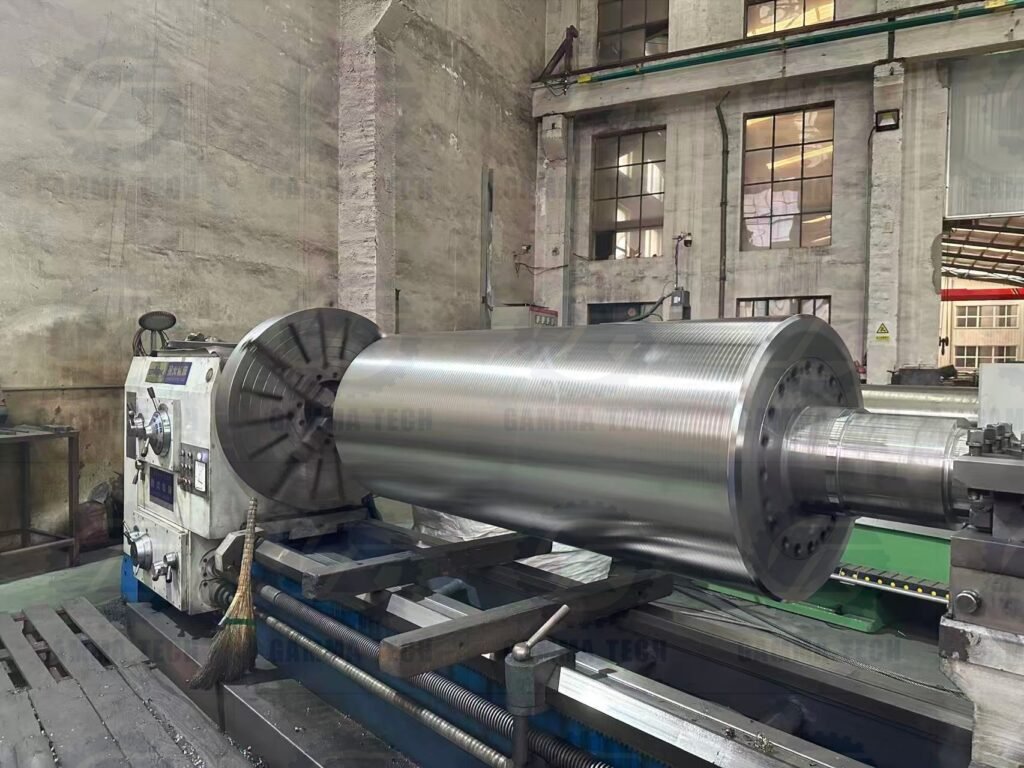
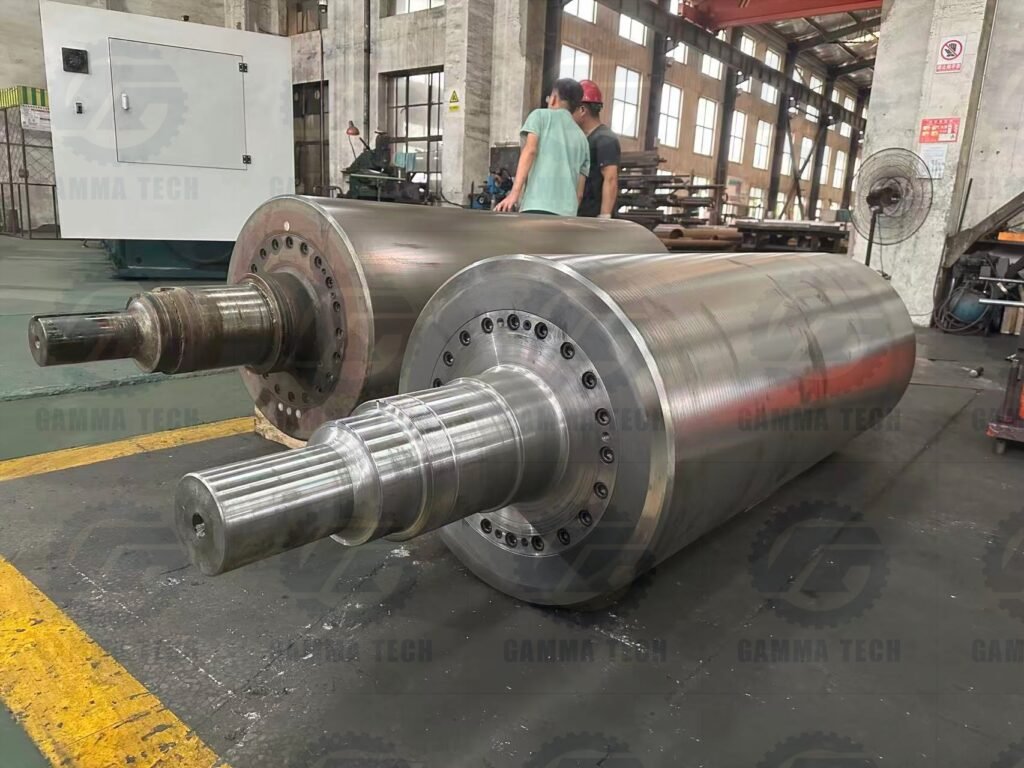
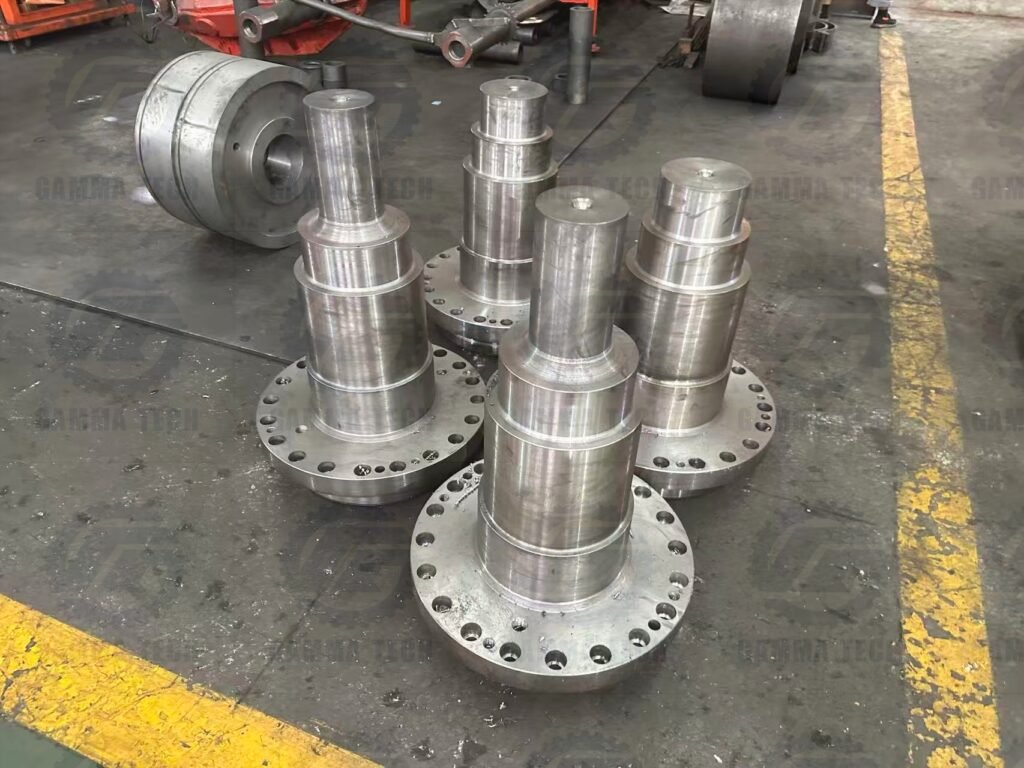
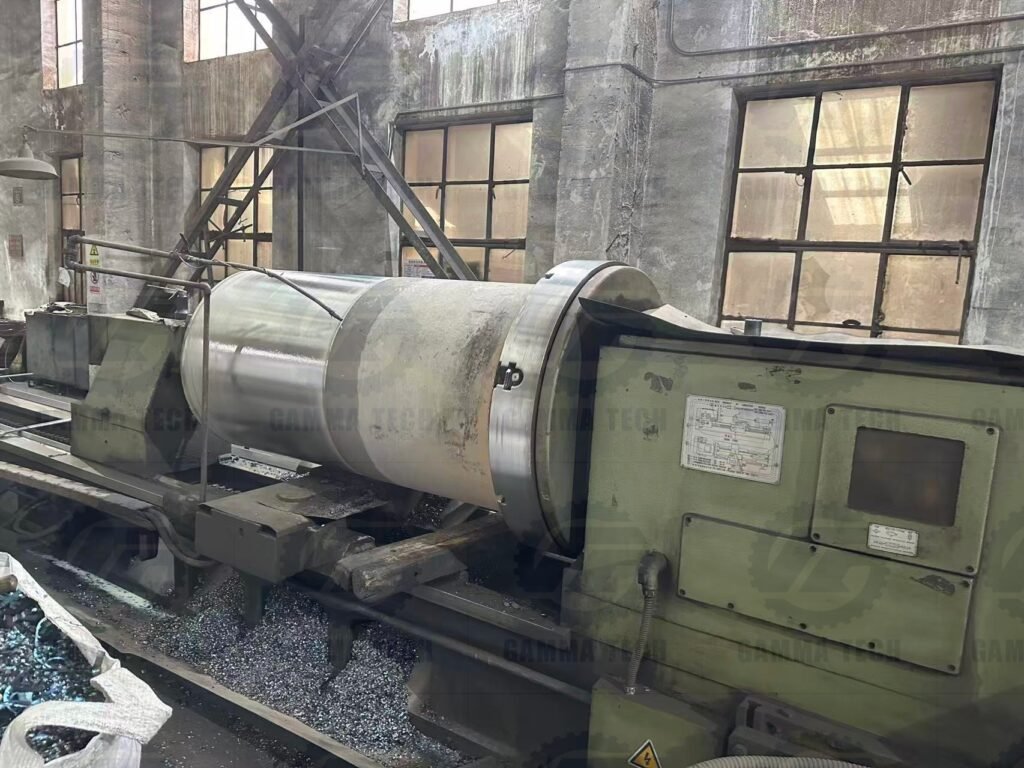
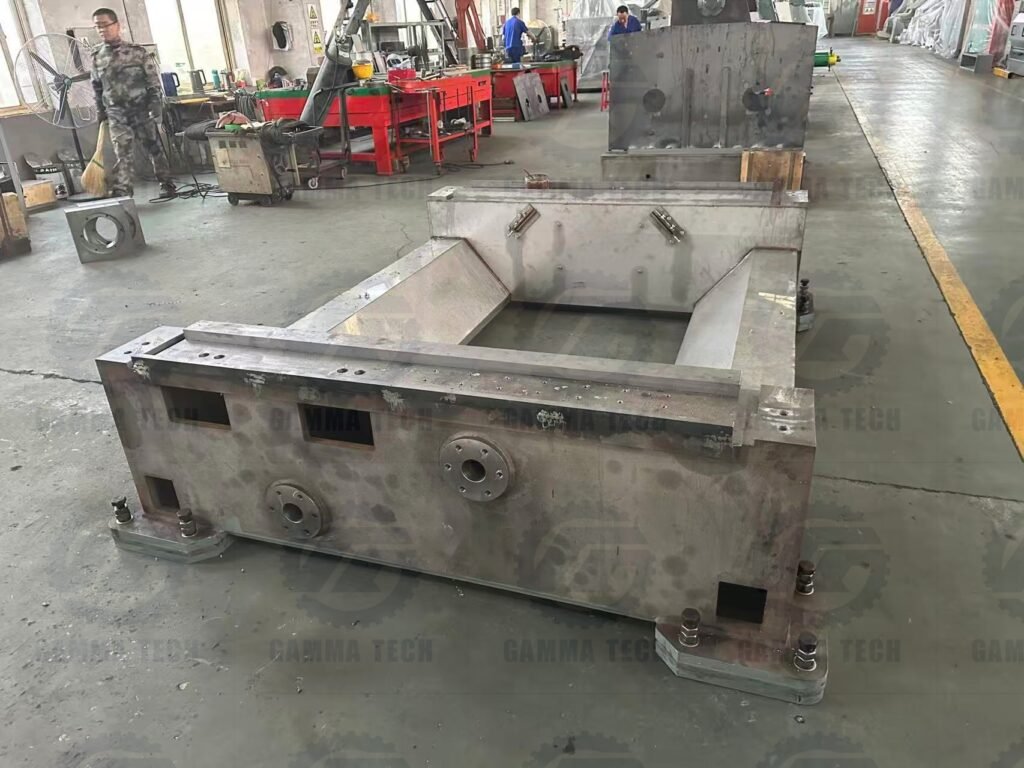
The secret to a perfect CV ≤ 5% corn cracking isn’t just the machine—it’s the engineering behind the rollers. At Wuxi Gamma, we don’t just assemble parts; we manufacture high-performance Corrugated Rollers designed specifically for heavy-duty grain processing (150-1500 T/D).
Why Our Processing Equipment Sets the Standard:
-
High-Alloy Centrifugal Casting: Our rollers feature a superior surface hardness of HRC 55-62. This ensures they resist the abrasive nature of corn and soybeans, extending the service life by 3-5 times compared to standard steel rollers.
-
CNC Precision Corrugation: Every “tooth” is CNC-machined to a specific TPI (Teeth Per Inch) profile. This creates the exact shearing action needed for Layer Feed (1/4 – 1/8 kernel) without creating excessive dust.
-
Dynamic Balancing (G2.5): All rollers undergo rigorous dynamic balancing to ensure vibration-free operation at high speeds, protecting your bearings and reducing noise.
-
Customized Differentials: We adjust the linear speed and tooth profile specifically for your application—whether it’s corn cracking for poultry or soybean pre-treatment for oil extraction.
Operation&Maintainance
1
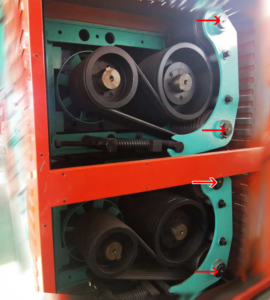
Lubrication
Oil Greasing point on one side of the machine Note: Lithium-based grease (Greasing once a week)
2
Maintainance
1. Remove impurities After the machine is working normally, the iron materials on the magnetic separation plate should be observed and removed from time to time to avoid affecting the normal material drop and damaging the gear roller. 2. Gear roller repair When the teeth of the gear roller become blunt, the crushing effect is significantly reduced, the output is reduced, and it needs to be removed and returned to the factory for wire drawing. 3. Lubrication and maintenance Refer to the lubrication point distribution diagram shown in the figure, and regularly maintain and oil each part of the equipment. 4. Always check the tension of all transmission angle belts. If they are loose, they should be adjusted in time. 5. Always check whether the fasteners and connectors of each part of the machine are loose. If they are loose, they should be tightened in time. 6. The gear roller should be checked regularly. When the gear roller is blunt, it should be wired in time. When the alloy layer of the gear roller is almost exhausted, it cannot be used and needs to be replaced with a new roller.
The FAQs About Gamma Roller Mill
Calos and the Wuxi Gamma team are ready to answer your “hard” questions. No pressure, just professional engineering advice and a clear ROI analysis for your facility. Ask us anything—let’s optimize your production today.
What is the ideal particle size of cracked corn for Layer Feed?
For optimal poultry digestion, layer hens require a coarse texture, typically 1/4 to 1/8 of a corn kernel (2.5mm to 3.5mm). Our Roller Mill is engineered to produce these uniform crumbles with less than 8% fine powder. This specific granulation stimulates gizzard development, leading to better nutrient absorption and higher egg-laying rates compared to hammer-milled feed.
Roller Mill vs. Hammer Mill: Which one is more energy-efficient?
In large-scale production (150-1500 T/D), a Roller Mill is 30% to 50% more energy-efficient than a hammer mill. Because it uses differential shearing and compression to "crack" the grain rather than high-speed impact to "smash" it, it requires significantly less horsepower per ton. For plants in Saudi Arabia or Egypt, this translates to massive annual electricity savings.
How do you handle soybean cracking for high-capacity oil extraction (1500 T/D)?
Oilseed pre-treatment requires massive throughput and precision. Our GM Series uses differential rotation technology to shear every soybean, ensuring maximum surface area for solvent extraction. Equipped with high-alloy centrifugal casting rollers (HRC 55-62), our systems are built for 24/7 continuous operation in heavy-duty oilseed processing facilities.
How often do the rollers need re-corrugation (Sharpening)?
The lifespan of the "teeth" (corrugations) depends on the abrasiveness of the material. However, thanks to our wear-resistant alloy surface, a typical corn crushing line can process thousands of tons before maintenance. Our rollers are designed for easy removal, and the surface can be re-machined multiple times, significantly lowering your total cost of ownership (TCO).
Can the roller gap be adjusted during operation for different grains?
Yes. Precision is key to flexibility. We offer Synchronized Manual Adjustment with clear scales or a Full-Servo Automatic System. This allows operators to fine-tune the gap between rollers (down to 0.1mm) on the fly, ensuring a seamless transition between cracking corn for poultry and crushing soybeans for oil.
Is there a safety system to prevent damage from stones or metal?
Foreign objects are a major risk in grain processing. Our mills feature a Safety Spring Protection System. When an uncrushable object (like a stone or bolt) enters, the rollers automatically retract to let it pass and then reset to their original position. We also recommend an integrated Magnetic Separator at the inlet for maximum protection.
Get Free Quote
Don’t Just Buy a Machine. Get an Engineering Solution.
Buying a 10-30TPH production line is a long-term investment. Don’t let technical complexity or certification hurdles (SABER/SASO) slow your project down.
Calos and the Wuxi Gamma Team are here to clear the fog. We provide the expertise you need to get it right from day one: